


Collection: Ecological paint for placo

-
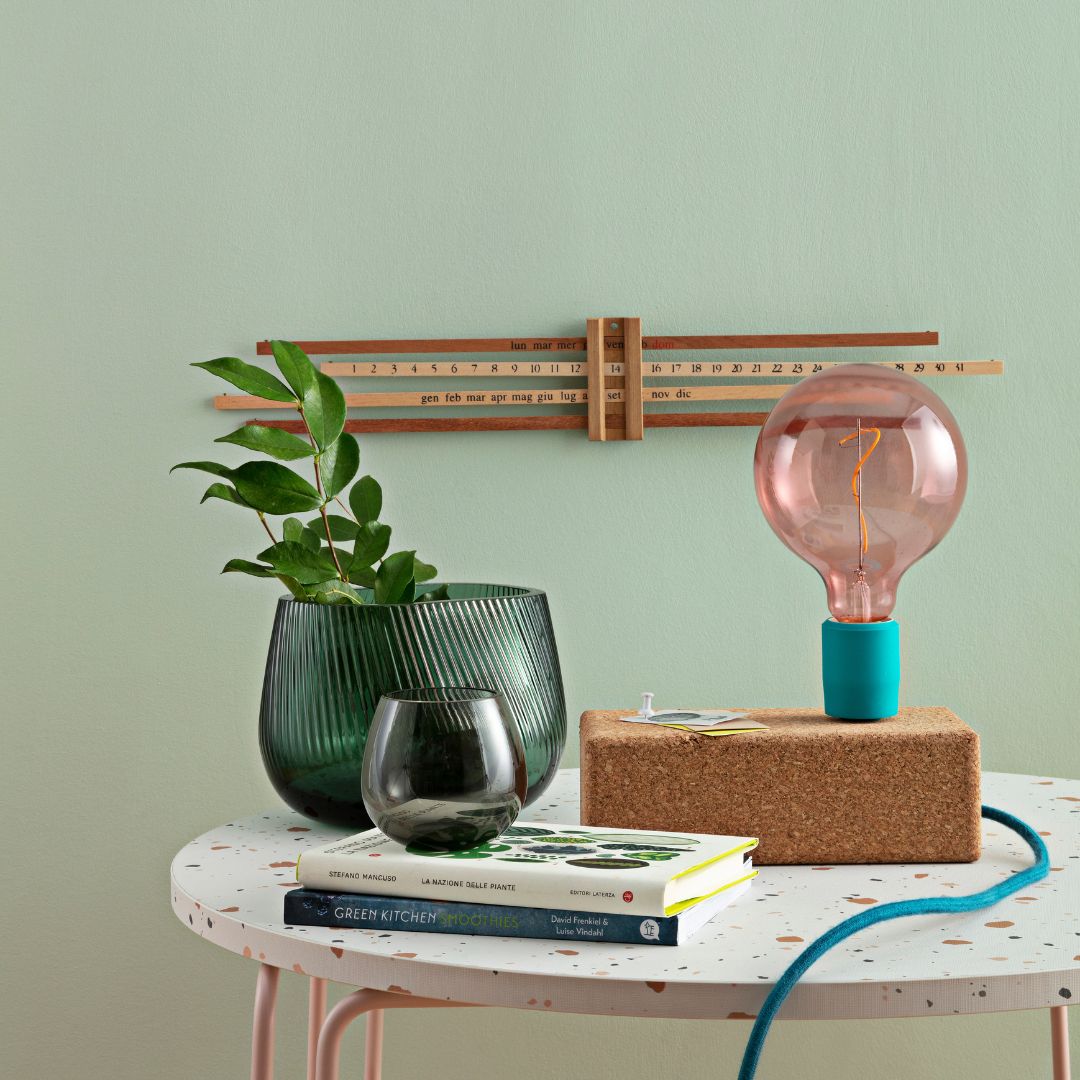
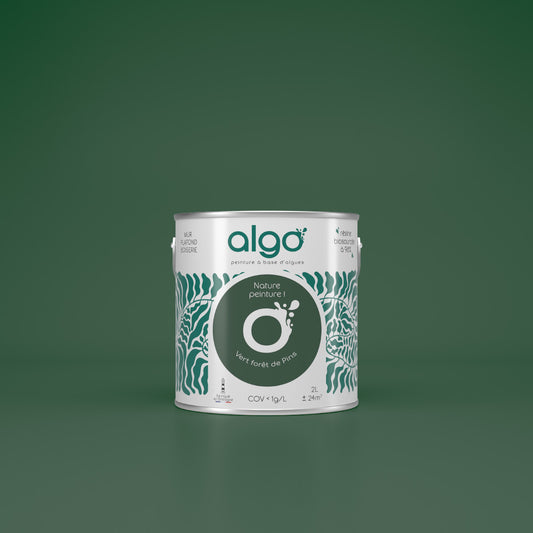
Algo Eco-Friendly Paint - Pine Forest Green
Regular price from From 0,00 € ttcRegular priceUnit price 52,40 € ttc per l0,00 € ttcSale price From 0,00 € ttc -
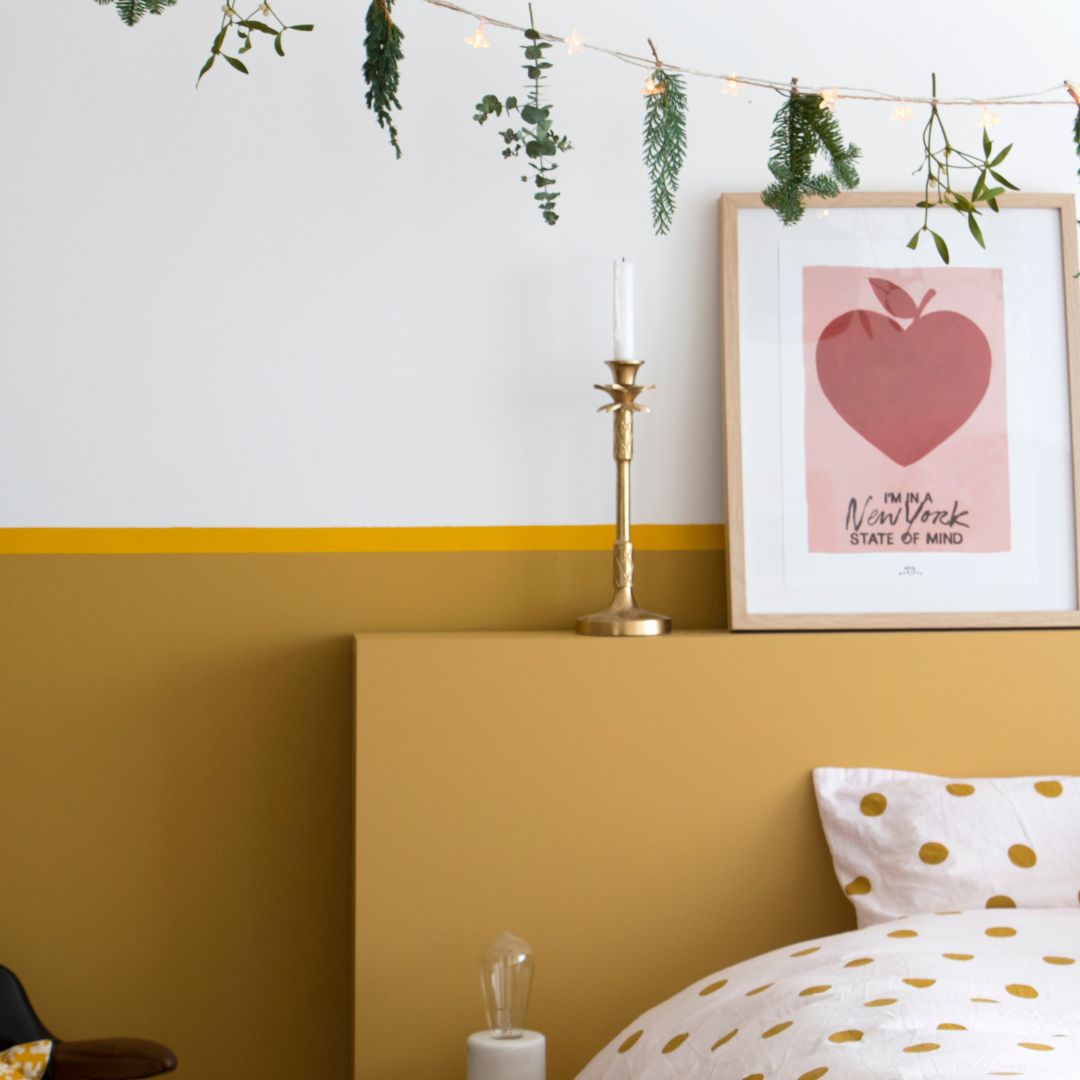
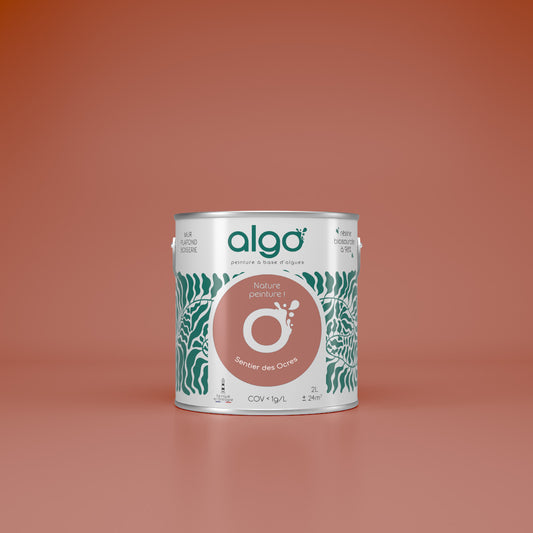
Algo Eco-Friendly Paint - Ochre Trail
Regular price from From 0,00 € ttcRegular priceUnit price 52,40 € ttc per l -
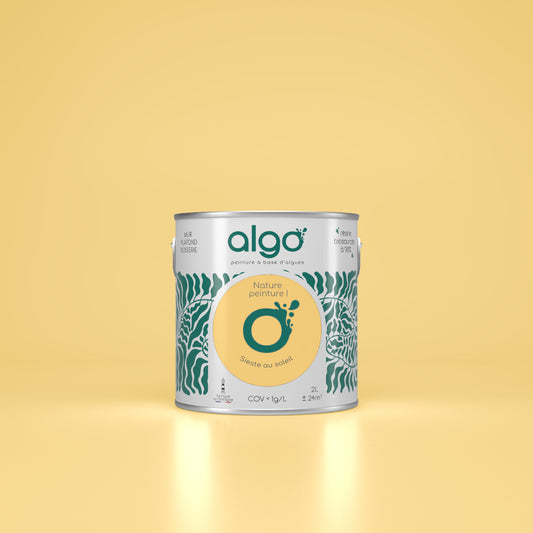
Algo Eco-Friendly Paint - Sun Nap Yellow
Regular price from From 0,00 € ttcRegular priceUnit price 49,40 € ttc per l -
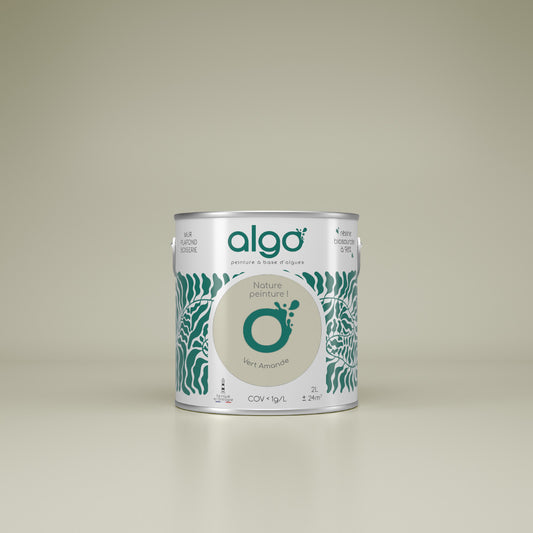
Algo Eco-Friendly Paint - Almond Green
Regular price from From 0,00 € ttcRegular priceUnit price 53,80 € ttc per l -
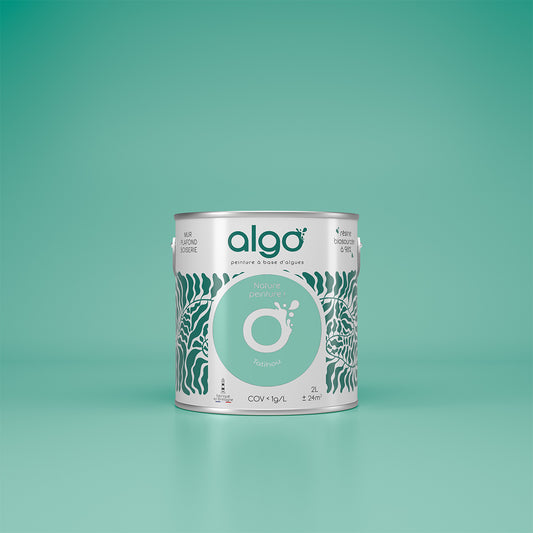
Algo Eco-Friendly Paint - Blue-Green Tatihou
Regular price from From 0,00 € ttcRegular priceUnit price 48,20 € ttc per l -
Algo Eco-Friendly Paint - Watercolor Sky Blue
Regular price from From 0,00 € ttcRegular priceUnit price 49,40 € ttc per l -
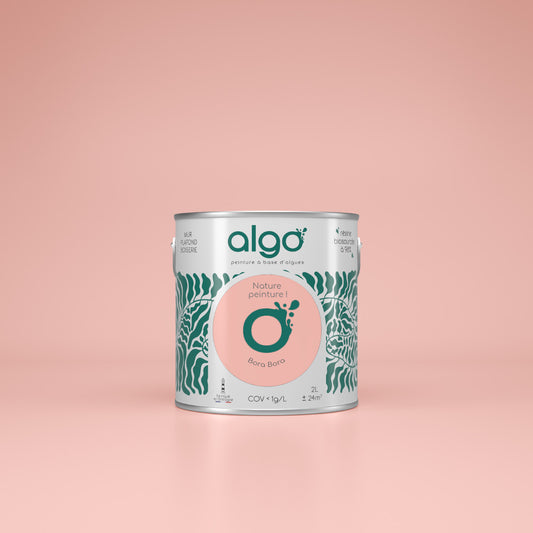
Algo Eco-Friendly Paint - Bora Bora Pink
Regular price from From 0,00 € ttcRegular priceUnit price 49,40 € ttc per l -
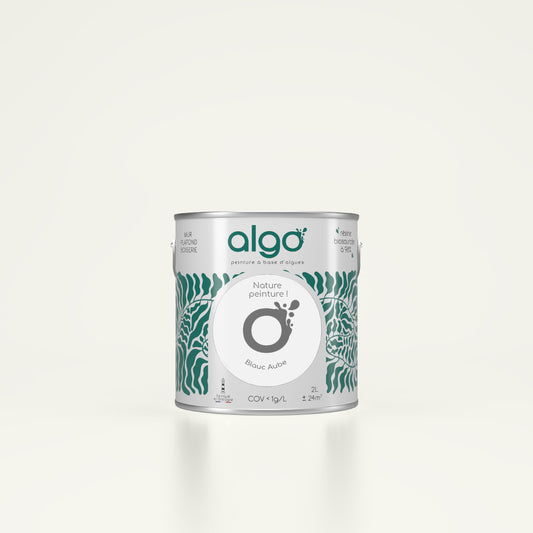
Algo Eco-Friendly Paint - Dawn White
Regular price from From 0,00 € ttcRegular priceUnit price 49,40 € ttc per l -
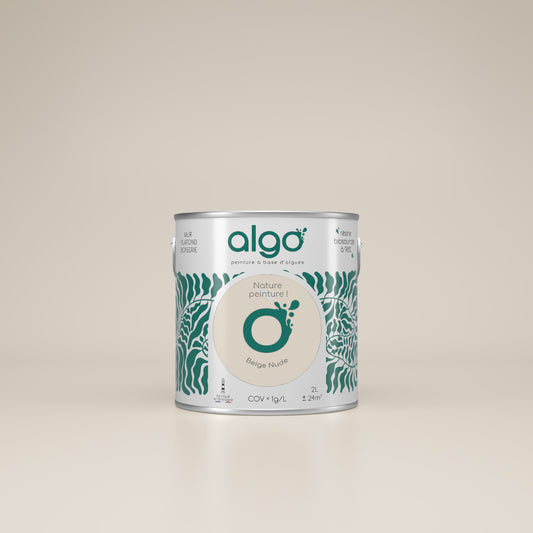
Algo Eco-Friendly Paint - Nude Beige
Regular price from From 0,00 € ttcRegular priceUnit price 49,40 € ttc per l -
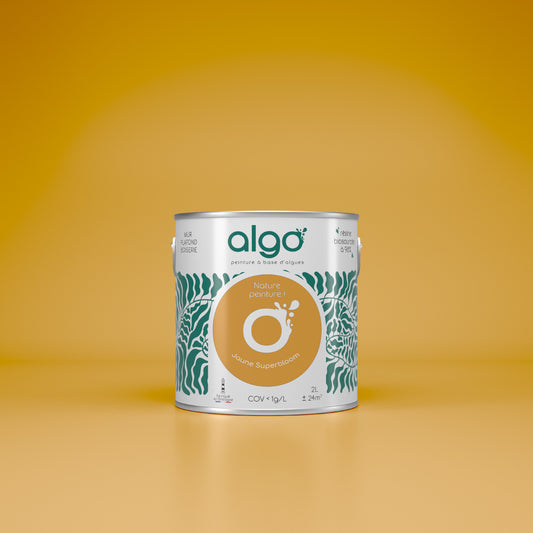
Algo Eco-Friendly Paint - Superbloom Yellow
Regular price from From 0,00 € ttcRegular priceUnit price 56,60 € ttc per l -
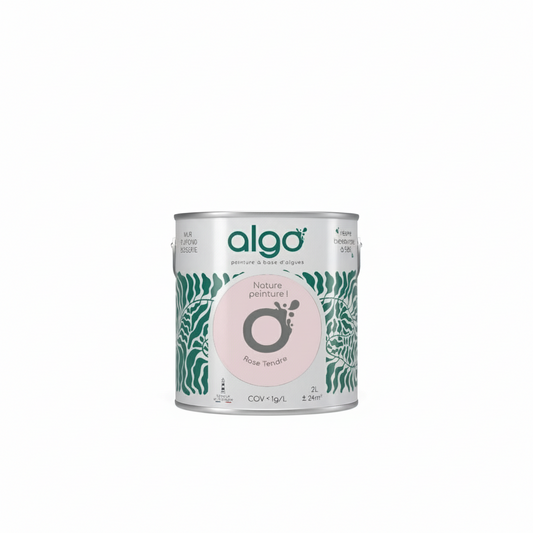
Algo Eco-Friendly Paint - Soft Pink
Regular price from From 0,00 € ttcRegular priceUnit price 49,40 € ttc per l -
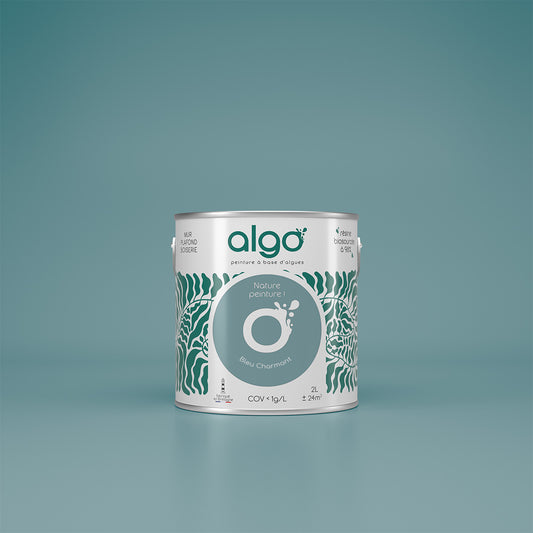
Algo Eco-Friendly Paint - Charming Blue
Regular price from From 0,00 € ttcRegular priceUnit price 49,40 € ttc per l25,50 € ttcSale price From 0,00 € ttcSale -
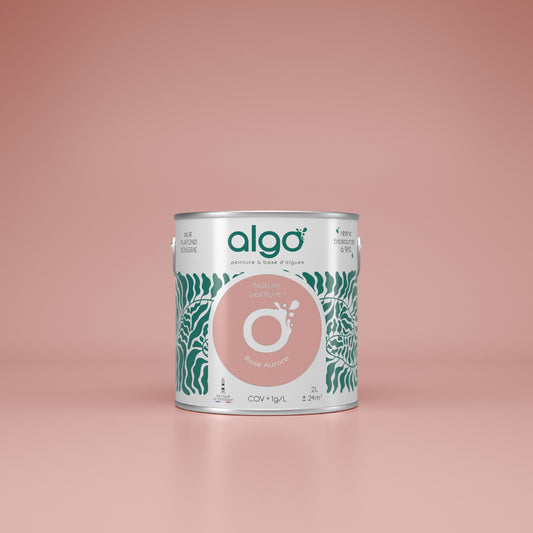
Algo Eco-Friendly Paint - Aurore Pink
Regular price from From 0,00 € ttcRegular priceUnit price 53,80 € ttc per l -
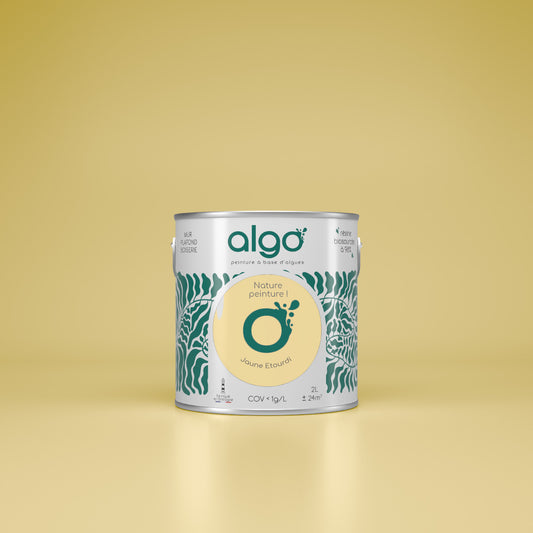
Algo Eco-Friendly Paint - Dizzy Yellow
Regular price from From 0,00 € ttcRegular priceUnit price 49,40 € ttc per l -
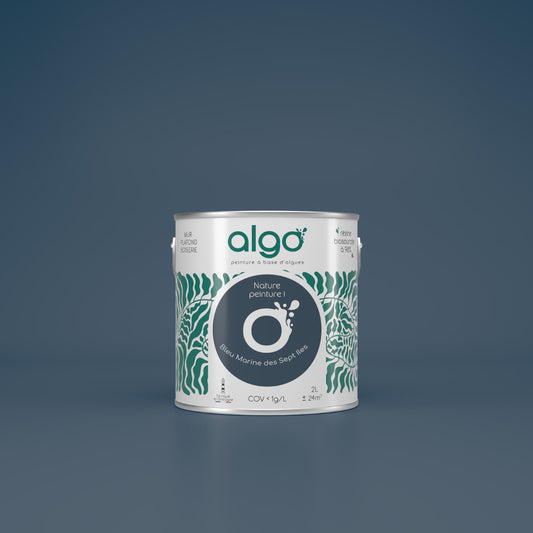
Algo Eco-Friendly Paint - Marine Blue of the Seven Islands
Regular price from From 0,00 € ttcRegular priceUnit price 52,40 € ttc per l -
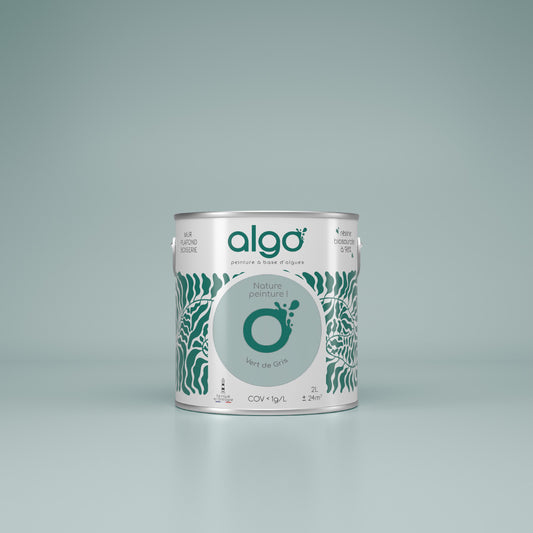
Algo Eco-Friendly Paint - Verdigris
Regular price from From 0,00 € ttcRegular priceUnit price 49,40 € ttc per l -
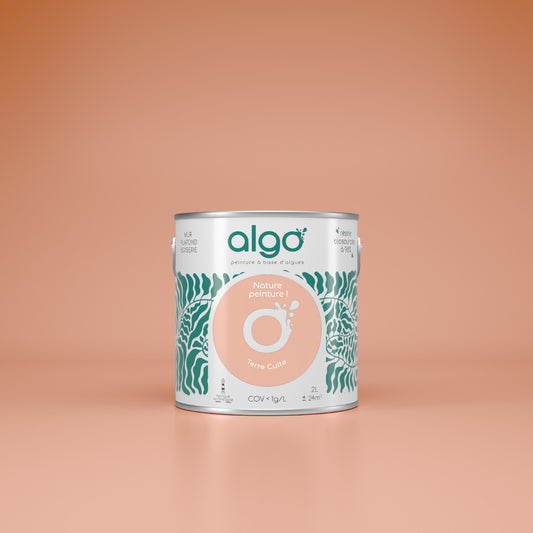
Algo Eco-Friendly Paint - Terracotta
Regular price from From 0,00 € ttcRegular priceUnit price 49,40 € ttc per l -
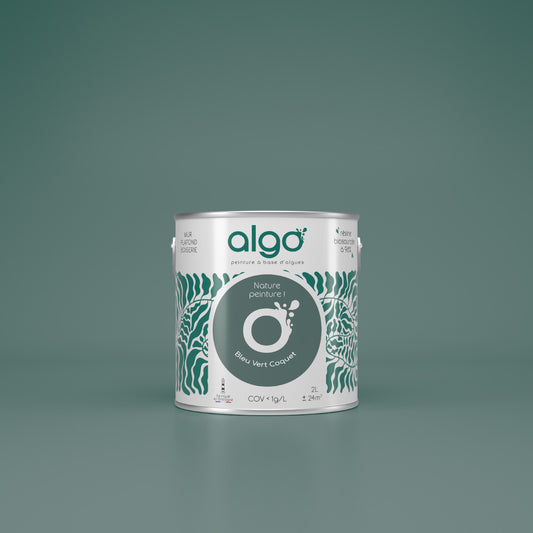
Algo Eco-Friendly Paint - Coquet Blue Green
Regular price from From 0,00 € ttcRegular priceUnit price 52,40 € ttc per l26,90 € ttcSale price From 0,00 € ttcSale -
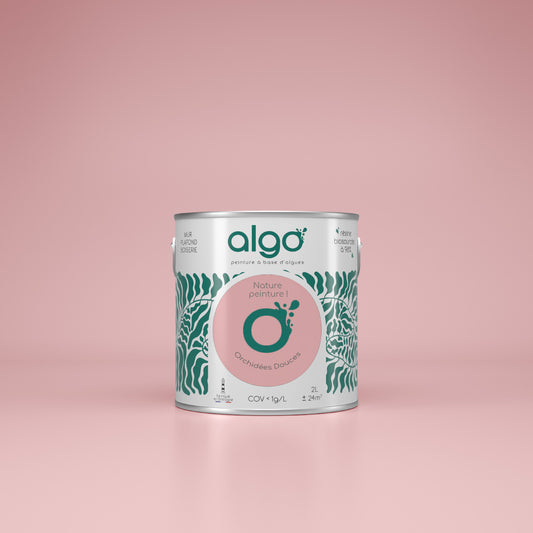
Algo Eco-Friendly Paint - Sweet Orchid Pink
Regular price from From 0,00 € ttcRegular priceUnit price 49,40 € ttc per l -
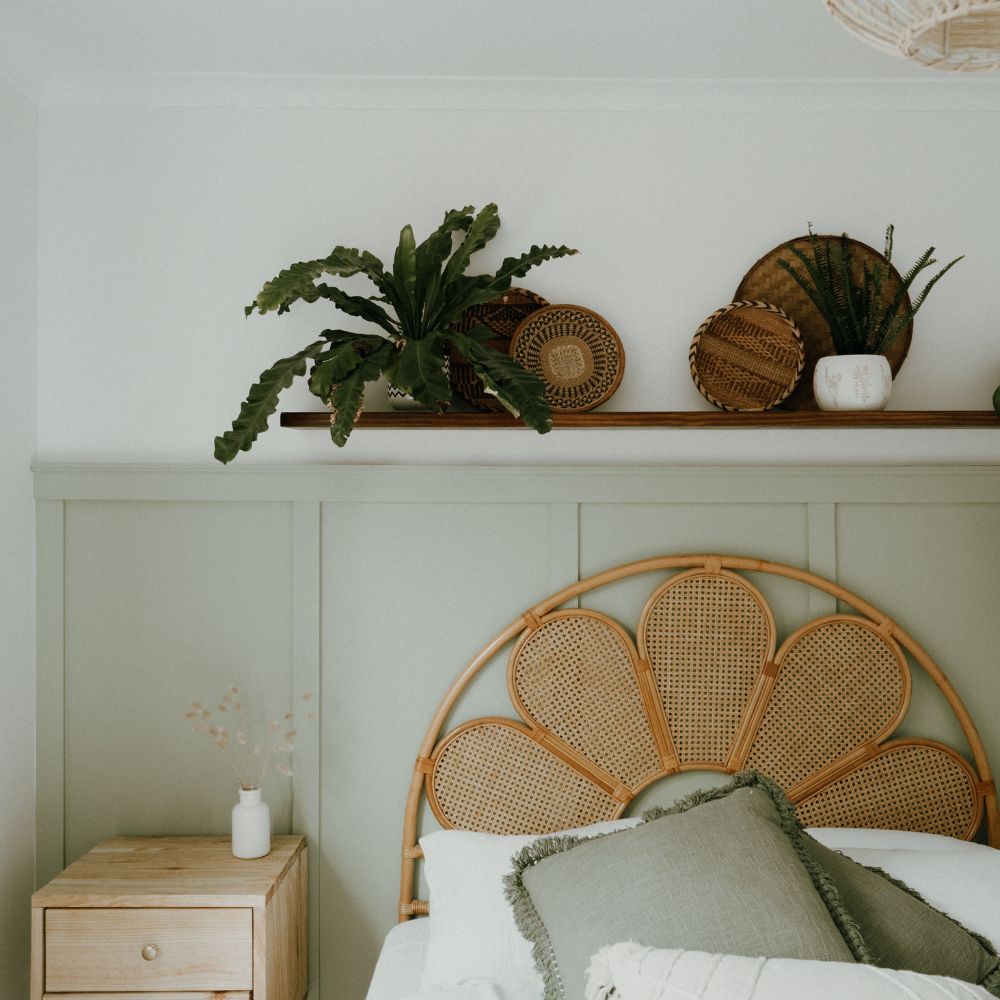
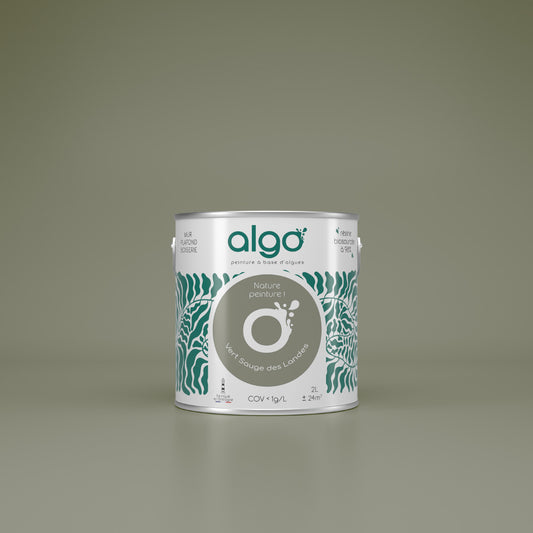
Algo Eco-Friendly Paint - Landes Sage Green
Regular price from From 0,00 € ttcRegular priceUnit price 52,40 € ttc per l -
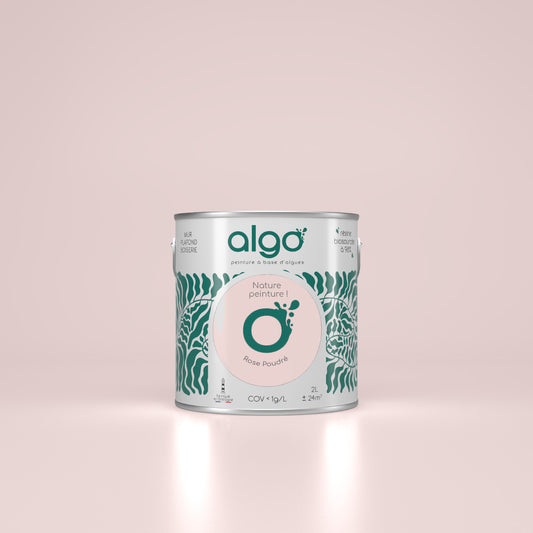
Algo Eco-Friendly Paint - Powder Pink
Regular price from From 0,00 € ttcRegular priceUnit price 49,40 € ttc per l -
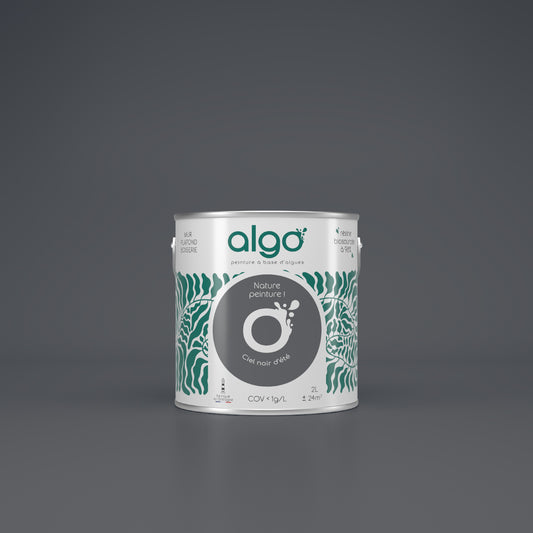
Algo Eco-Friendly Paint - Dark Summer Sky
Regular price from From 0,00 € ttcRegular priceUnit price 52,40 € ttc per l -
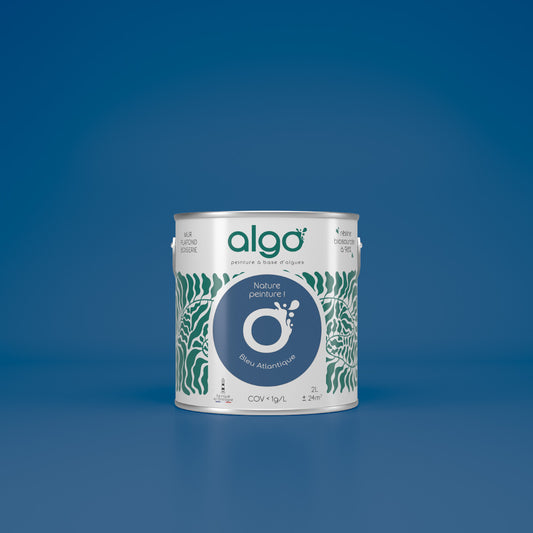
Algo Eco-Friendly Paint - Atlantic Blue
Regular price from From 0,00 € ttcRegular priceUnit price 52,40 € ttc per l -
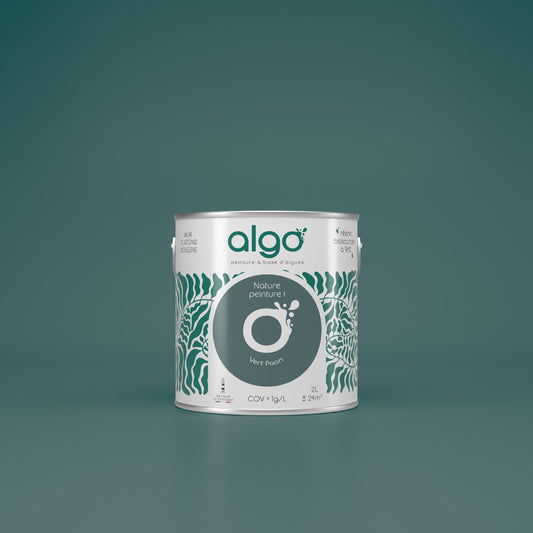
Algo Eco-Friendly Paint - Peacock Green
Regular price from From 0,00 € ttcRegular priceUnit price 52,40 € ttc per l -
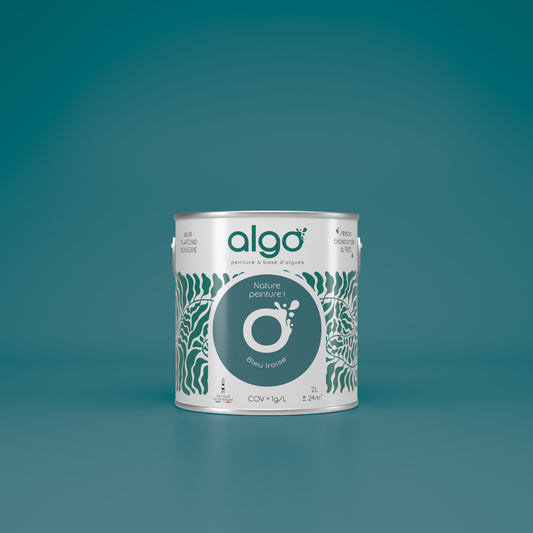
Algo Eco-Friendly Paint - Iroise Blue
Regular price from From 0,00 € ttcRegular priceUnit price 52,40 € ttc per l -
Algo Eco-Friendly Paint - Radiant Orange
Regular price from From 0,00 € ttcRegular priceUnit price 49,40 € ttc per l -
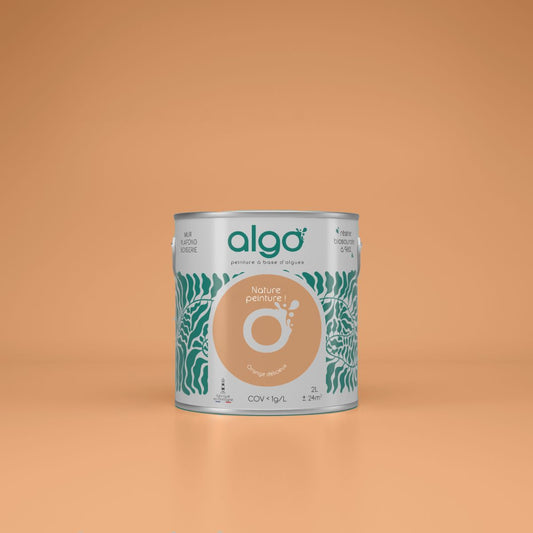
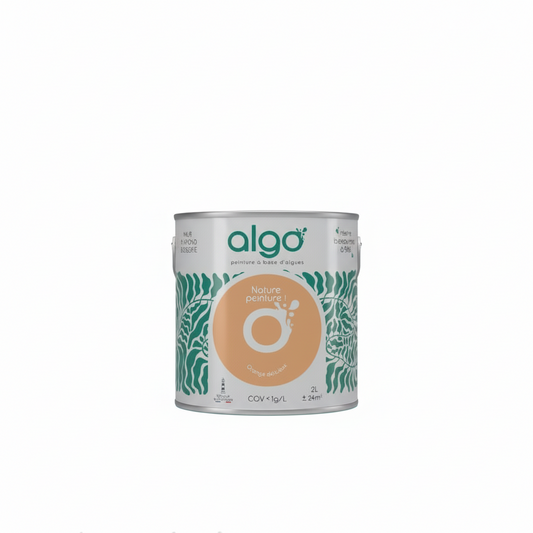
Algo Eco-Friendly Paint - Delicious Orange
Regular price from From 0,00 € ttcRegular priceUnit price 49,40 € ttc per l -
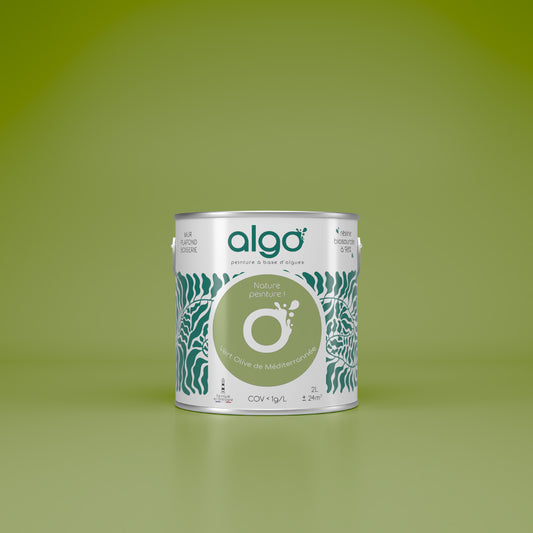
Algo Eco-Friendly Paint - Mediterranean Olive Green
Regular price from From 0,00 € ttcRegular priceUnit price 52,40 € ttc per l -
Algo Eco-Friendly Paint - Mullein Blue Green
Regular price from From 0,00 € ttcRegular priceUnit price 52,40 € ttc per l -
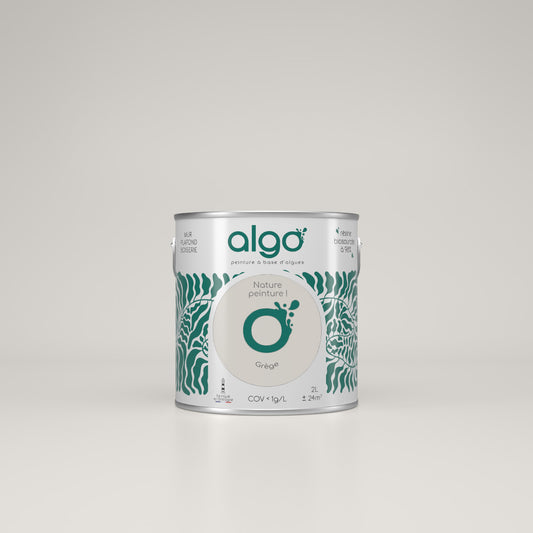
Algo Eco-Friendly Paint - Greige
Regular price from From 0,00 € ttcRegular priceUnit price 49,40 € ttc per l -
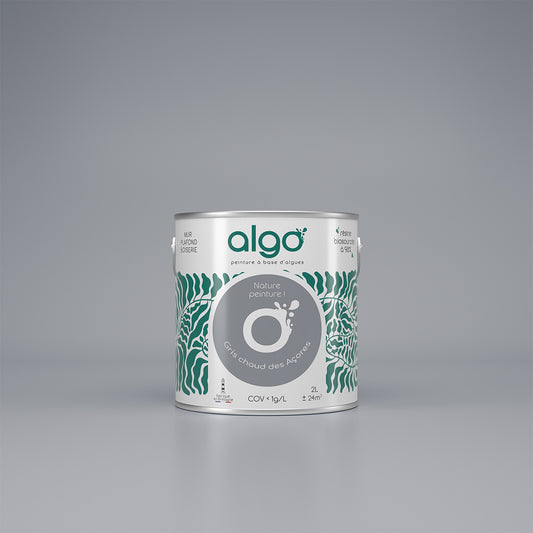
Algo Eco-Friendly Paint - Azores Warm Grey
Regular price from From 0,00 € ttcRegular priceUnit price 56,60 € ttc per l -
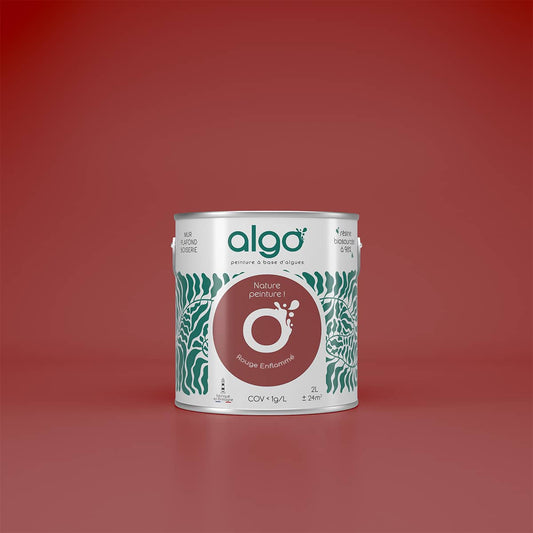
Algo Eco-Friendly Paint - Flaming Red
Regular price from From 0,00 € ttcRegular priceUnit price 52,40 € ttc per l -
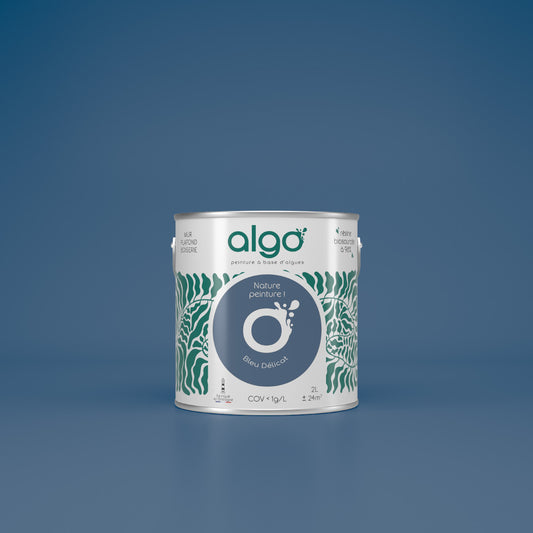
Algo Eco-Friendly Paint - Delicate Blue
Regular price from From 0,00 € ttcRegular priceUnit price 52,40 € ttc per l -
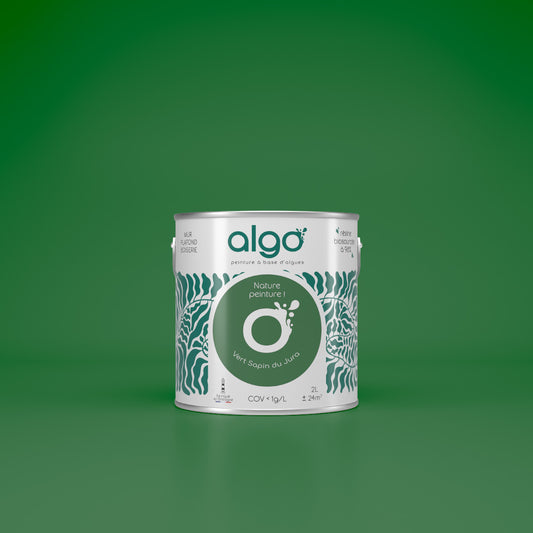
Algo ecological paint - Jura Fir Green
Regular price from From 0,00 € ttcRegular priceUnit price 52,40 € ttc per l0,00 € ttcSale price From 0,00 € ttc -
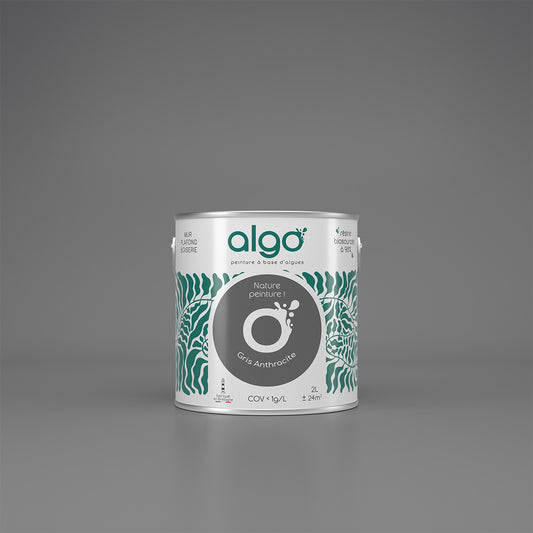
Algo Eco-Friendly Paint - Anthracite Grey
Regular price from From 0,00 € ttcRegular priceUnit price 52,40 € ttc per l -
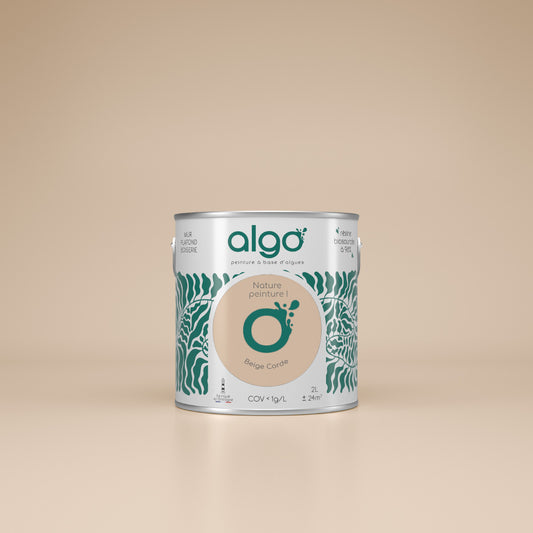
Algo Eco-Friendly Paint - Rope Beige
Regular price from From 0,00 € ttcRegular priceUnit price 49,40 € ttc per l -
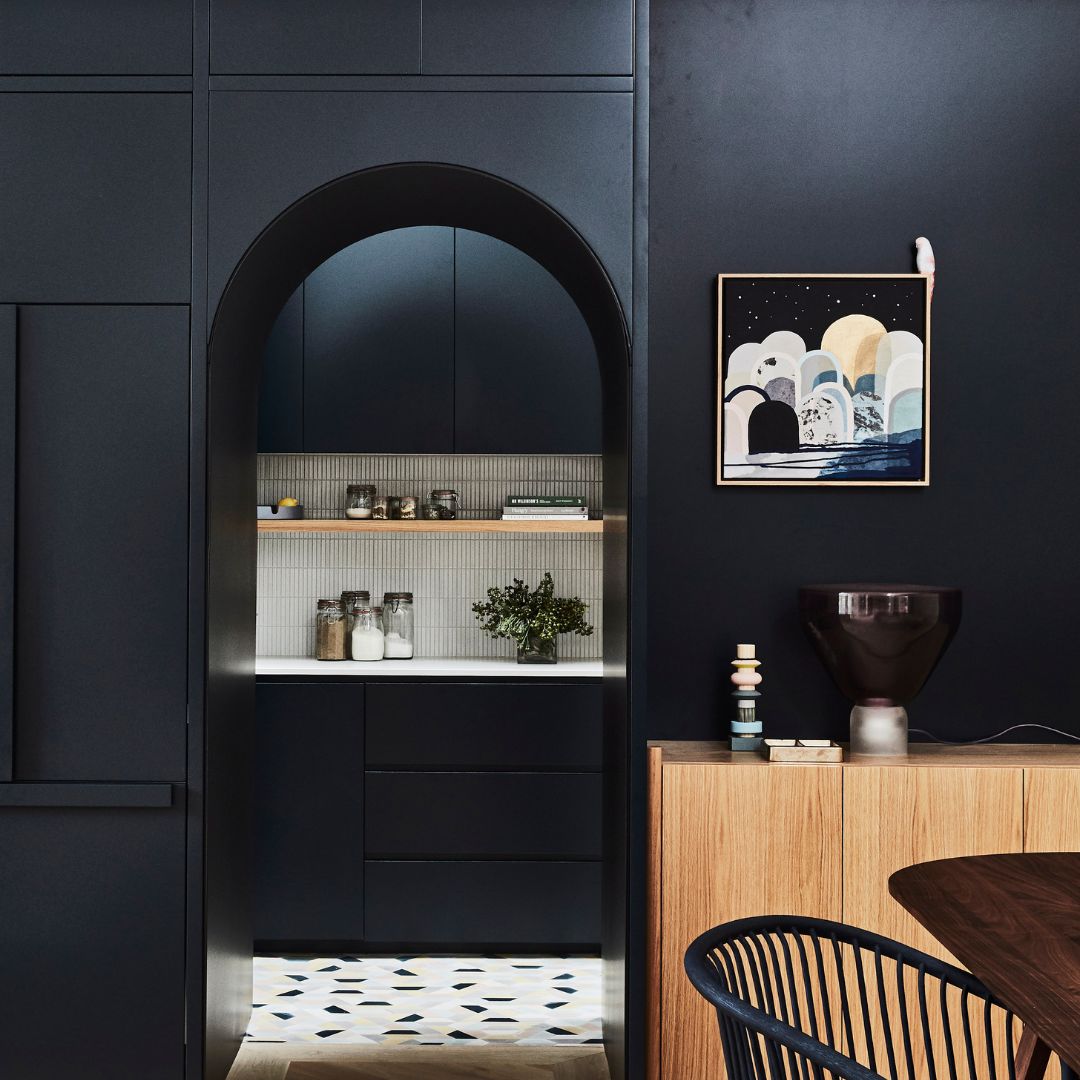
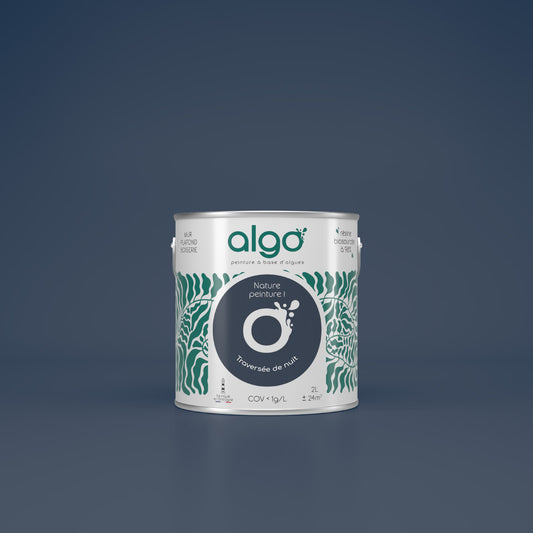
Algo Eco-Friendly Paint - Night Crossing
Regular price from From 0,00 € ttcRegular priceUnit price 52,40 € ttc per l -
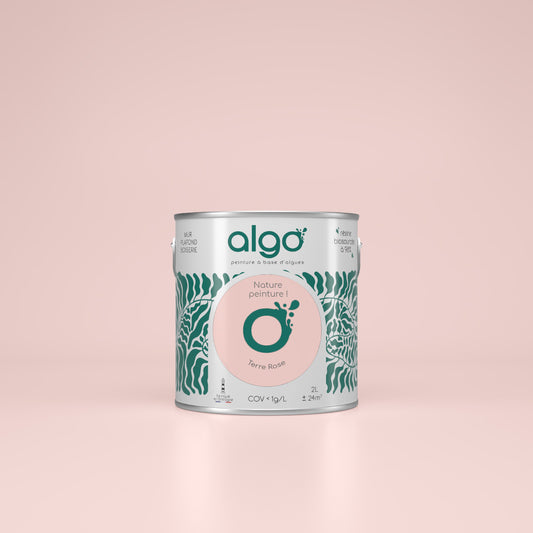
Algo Eco-Friendly Paint - Terre Rose
Regular price from From 0,00 € ttcRegular priceUnit price 49,40 € ttc per l -
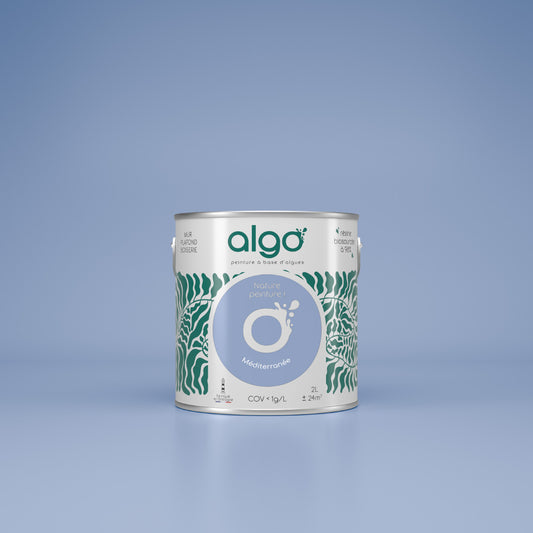
Algo Eco-Friendly Paint - Mediterranean Blue
Regular price from From 0,00 € ttcRegular priceUnit price 49,40 € ttc per l -
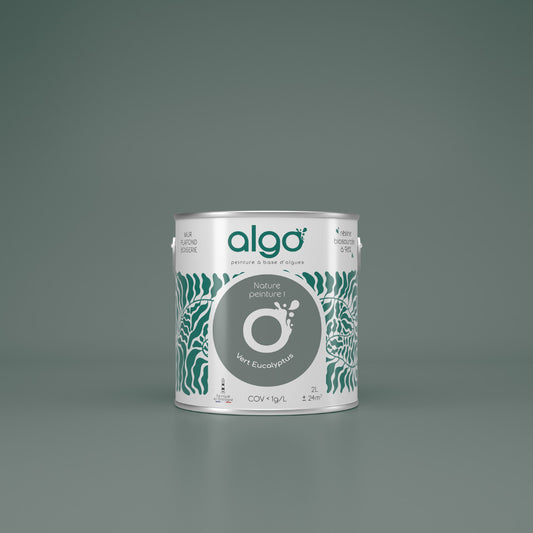
Algo Eco-Friendly Paint - Eucalyptus Green
Regular price from From 0,00 € ttcRegular priceUnit price 52,40 € ttc per l




































Choose your colors with ease
-

Find the perfect shades with our color consultant
Book your free coaching -
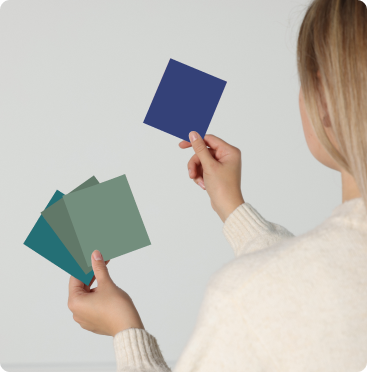
Easily choose your shades with our samples
See our 100 samples -
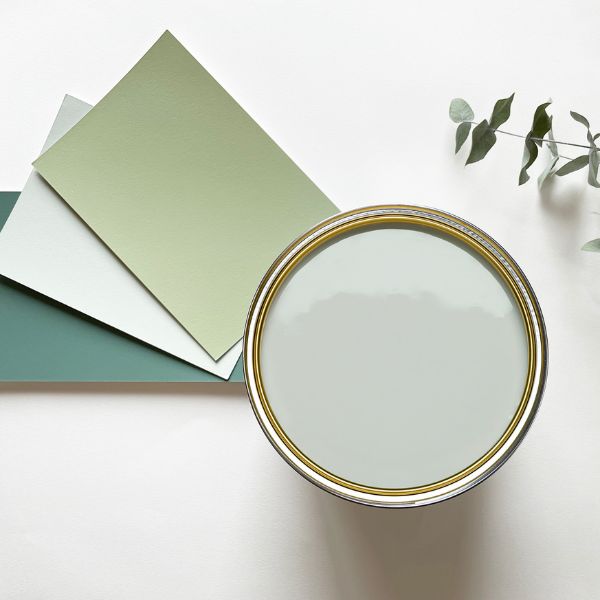
Fall for our magnificent color harmonies
See our color harmonies
-

Fast delivery
and neat -

A service
top customer! -

More than 2000
verified reviews -

Payment
secure


If you're looking to paint your home's BA13 placo, you've come to the right place!
Find out which paint will be best suited to your surface with the necessary tips for applying the paint for your project.
Whether you want to paint a room, or simply add a touch of color to a wall, all of our colors and finishes are compatible with placo.
Standard, waterproof, fireproof: the different forms of placo
When we think of placo (or drywall) in our homes, we assume there's only one type. However, there are several types of placo, including waterproof and fireproof.
Due to its versatility and ease of application, BA13 placo is a widely used material, but the type of placo used can vary depending on the room and its characteristics.
Standard placo in conventional rooms
Standard placo is most commonly used for conventional rooms in the home (living room, bedroom, lounge, etc.) and for renovations. As you can see, placo provides a smooth and even surface, making it compatible with a wide variety of interior paints.
Please note, however, that this type of plaster is not recommended for damp rooms such as bathrooms or kitchens, for example.
Waterproof placo for damp rooms
Waterproof plaster is slightly different from standard plaster: it is designed to be more resistant to moisture. Its color varies from neutral placo (it is generally aqua green) due to an additional protection that prevents water absorption.
For this type of BA13 placo, a paint compatible with this use will therefore be strongly recommended in order to guarantee strong adhesion and which is also applicable in damp rooms.
Fireproof placo for professional premises
Fireproof placo is the final type of plasterboard: it is often used in commercial premises and settings to resist fires. The paint used is generally intumescent (which expands during intense heat).
Algo paints are fully compatible for use on standard or waterproof placo: although this does not prevent the use of an Algo undercoat (which is also compatible for use on placo).
Indeed, our paints, regardless of color and finish, will be sufficient for adhesion to standard placo. Since waterproof plaster is used in damp rooms, using a satin-finish paint will be more appropriate depending on the resistance offered.
What paint should I use for placo?
Whatever the type of support and whenever possible, it will always be more beneficial to use an ecological and natural paint for your work.
Bio-sourced paints are now known for offering the same characteristics as traditional paint, so why deprive yourself of them?
Algo paint, formulated with natural, ecological raw materials, can be applied to placo walls and water-repellent plaster in your home.
To this end, you will benefit from a paint that will offer you a number of characteristics: the first of these is ease of application and washable (which will be even more so in satin finish). The touch drying in 30 minutes is also appreciable with a yield of 12m²/liter which is in the high average of the market.
The adhesion for placo surfaces will guarantee you a smooth and uniform finish.
Using a specific plaster paint can reduce the number of available shades. Algo universal and multi-surface paint (walls, ceilings and woodwork) is available in 100 shades, giving you a wide choice for the walls of your home.
As with the different rooms in the house, it is therefore necessary to take into account the room in which the placo is installed and the characteristics of the room before choosing the paint you are going to use.
Applying paint to placo
As with any paint application, our first tip is to properly prepare the surface: clean and dust your surfaces. If the plaster is not new, you can clean the surface with a slightly damp cloth to remove any potential stains and accumulated dust.
Once the surface is completely dry, you can apply a primer. Contrary to popular belief, using a primer is even more important on a new placo wall to seal the edges, improve paint adhesion, and ensure smooth, even coverage.
The use of filler may be necessary to fill holes, cracks and imperfections in the placo.
Tools for painting placo
There are two ways to paint your walls: the first is to spray paint. The second is to use a roller.
In the first case, we recommend diluting the paint up to 10% with water to make the application more fluid. For roller application, 14 mm microfiber will be the most suitable for use with Algo paints and undercoat.
Apply the paint in a crisscross pattern, vertically, then horizontally. This will cover the surface and also avoid roller marks when drying.